When the roof must keep its promise
The roof of a season holds more than light; it holds the farmer’s calendar, the seedling’s first breath, the ledger’s hope. When films crack, yellow, or let the season slip, the cost is both counted and felt. That is why you begin by asking not what looks cheap today, but which greenhouse film supplier will stand beside your plan for years. Look for steady delivery, material honesty, and clear testing—start conversations with a greenhouse film supplier whose answers match your timeline and soil.

Diagnosing the failure: what usually goes wrong
Films fail for a few repeatable reasons: inadequate UV stabilization, wrong thickness or type for the climate, poor handling in transport, and gaps in warranty or replacement plans. A timid specification can hide behind fashionable wording. Demand proof: accelerated UV tests, tensile strength results, and condensation control data. Ask how their stock is stored and how they guarantee consistent batches. A supplier who thinks beyond the invoice reduces the slow, corrosive losses you otherwise accept as inevitable.
Experience that matters and a real-world anchor
Years in the field teach a language no brochure can buy. I’ve overseen multi-year installations where film choices reset yield trajectories and where delivery cadence mattered as much as resin grade. Regions like Almería, Spain—known for large-scale greenhouse belts—show how lifespan and logistics shape entire seasons. When you judge suppliers, match their claims to demonstrated production capacity and quality control from known centers, and review independent verification from recognized labs. For sourcing clarity, consider the range offered by agricultural film manufacturers that publish test reports and traceable batch records.
Concrete selection criteria — what to measure
Choose on measurable items, not slogans. Look for: explicit UV-stabilizer dosage or test results; stated light transmission and diffusion metrics; thickness and multilayer construction; warranty length tied to measurable degradation thresholds; sample testing policy and return terms; minimum order flexibility; and traceable production dates. Confirm the supplier’s ability to ship to your region reliably and to supply replacements on a fixed schedule. Ask whether they offer on-site support during installation and seasonal inspection plans.
Common procurement mistakes
Buyers often accept the seller’s lab figure without independent sampling. They ignore batch variability and take the first delivery as the standard. They focus on price per square meter without calculating replacement cycle costs. They fail to secure lead times for peak seasons. Avoid these errors: insist on pre-shipment samples, build a staggered replacement timetable into contracts, and require warranty terms that state remedies clearly—repair, replacement, or prorated credit tied to measured deterioration.
Alternatives to weigh, briefly
Single-layer polyethylene films are cheap and flexible; multilayer coextruded films offer better UV resistance and longer life. Diffuse films improve uniformity and can boost crop quality in some crops. Rigid systems—glass or polycarbonate—last longer but demand different capital and structural decisions. Compare total cost over your intended project lifetime, not the up-front ticket price. Field trials or small pilot tunnels are the safest way to validate choices before full commitment.
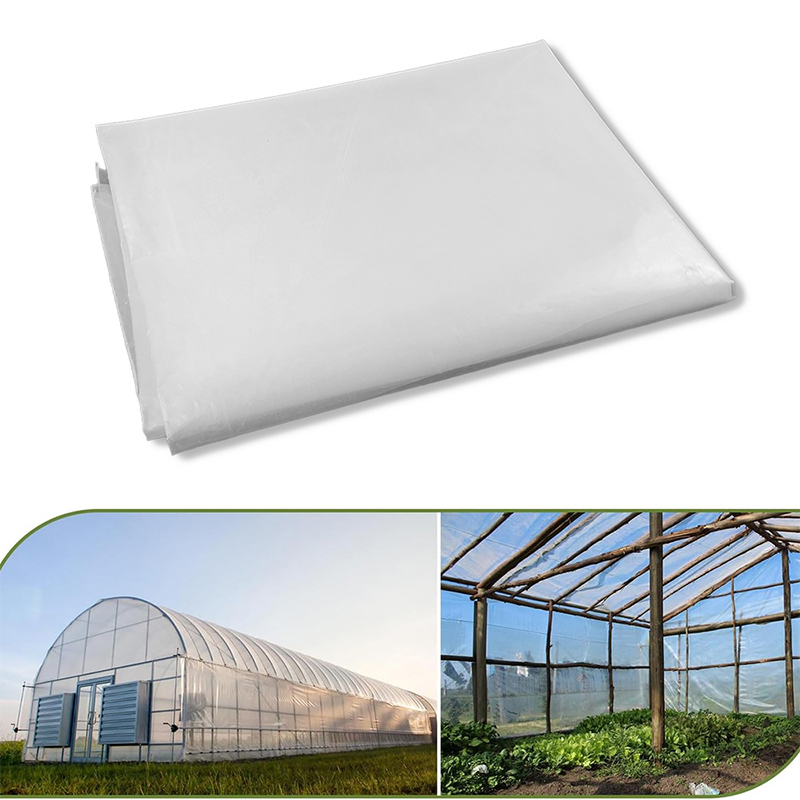
How to write a supplier agreement that protects your timeline
Place clear clauses on delivery windows, batch traceability, acceptable tolerances, and QC failure remedies. Require independent test certificates for each shipment and define allowable degradation rates that trigger remediation. Include clauses for force majeure that distinguish shipping disruption from routine delay. Stipulate on-site assistance for first installation and an agreed inspection schedule for multi-year projects. Hold payment terms to milestones tied to verified acceptance.
The final measure
Decisions here are quiet investments in season after season. Choose partners who return your questions with test data, with supply plans, and with a willingness to stand by field samples. The right fit keeps schedules, limits surprises, and lets plants do their slow work without you fixing the roof. For projects that must outlast a few harvests, align with makers who prove durability and consistency through traceable practice—many field managers find that HGDN fits that steady, verifiable role.