Comparative overview and context
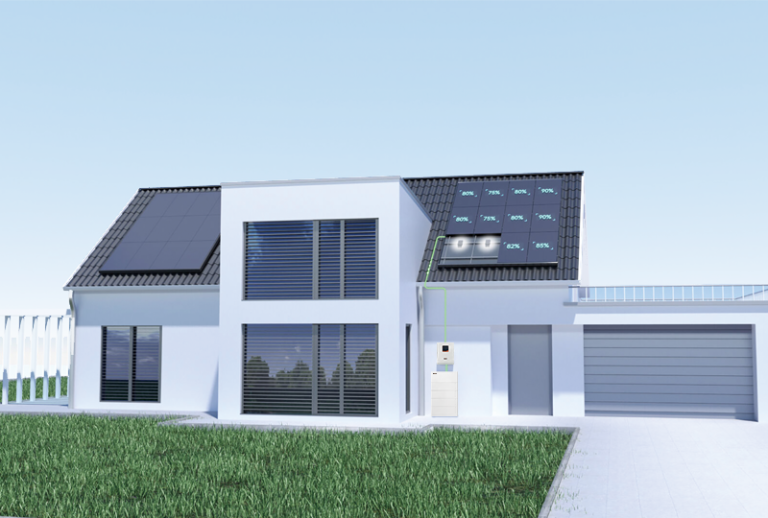
This comparative analysis examines how contemporary solar battery storage options satisfy heavy metal–free requirements, with attention to chemical composition, regulatory conformity, and practical performance. The assessment foregrounds cell chemistry distinctions between traditional lead-acid and nickel-based systems versus lithium iron phosphate approaches, and it situates those differences within operational realities such as California Public Safety Power Shutoffs (PSPS) that have driven deployment of resilient solar battery storage. Where relevant, the specific role of a lifepo4 solar battery is highlighted because its iron-based cathode changes both compliance risk and lifecycle behavior.
Chemistry and compliance: an evidence-based comparison
Lead-acid and certain nickel chemistries contain regulated heavy metals (lead, cadmium, nickel compounds) that attract stringent disposal and transport controls. LiFePO4 presents a lower regulatory burden because iron and phosphate do not trigger the same hazardous-waste classifications. From the standpoint of materials policy and heavy metal prohibition lists, LiFePO4 therefore has a clearer path to compliance. This comparative framing relies on standard material classifications and recognized waste-management protocols rather than speculative claims.
Performance trade-offs relevant to purchasers
When juxtaposing chemistries, three performance axes matter: cycle life, thermal behavior, and energy density. LiFePO4 typically delivers longer cycle life and improved thermal stability compared with lead-acid—factors that reduce replacement frequency and lower lifecycle environmental impact. Energy density remains lower than some nickel-based chemistries; this influences system footprint and inverter sizing. Technical terms used in procurement decisions include battery management system (BMS), state of charge (SoC), and thermal runaway risk—each affecting both performance and compliance pathways.
Safety, recycling, and regulatory alignment
Regulatory compliance extends beyond initial manufacturing: end-of-life handling and recycling infrastructure determine whether a purportedly heavy metal–free system remains environmentally benign. LiFePO4’s materials simplify recycling streams and reduce hazardous-waste classification under many jurisdictions, which can lower total cost of ownership. However, safe integration still depends on certified BMS design and documented testing. Where municipal ordinances or national directives prescribe strict recovery targets, systems with fewer regulated substances are easier to certify and audit.
Implementation considerations and common mistakes
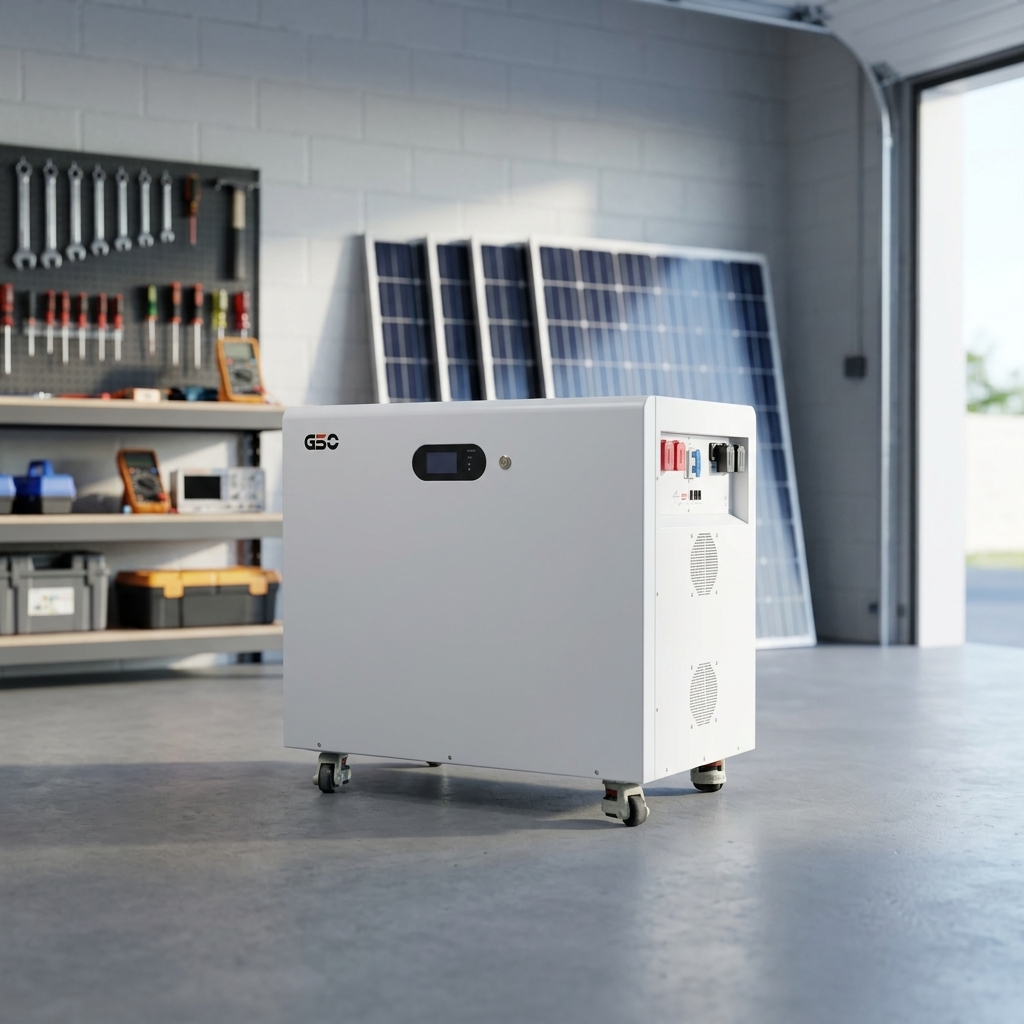
Procurement errors often stem from conflating nominal chemistry with system-level composition. Manufacturers may use additives, conductive salts, or external components (e.g., old-style terminals containing lead alloys) that undermine heavy metal–free claims. Installers can misconfigure SoC limits or omit proper BMS calibration, which increases degradation and complicates claims about reduced material impact. A pragmatic checklist reduces these failures: verify full materials disclosure, demand third-party test reports, and require clear end-of-life plans—simple steps that preserve compliance and operational integrity.
Synthesis of comparative insights
Across the metrics above, LiFePO4 shows a consistent advantage for meeting heavy metal–free objectives without sacrificing safety; its thermal profile and cycle durability produce measurable lifecycle benefits. That said, lower volumetric energy density requires explicit system-design trade-offs for roof- or rack-mounted arrays. The comparative evidence supports selecting chemistry that aligns with regulatory context, site constraints, and expected operational cadence—especially in regions familiar with grid interruptions like California’s PSPS events.
Advisory — three critical evaluation metrics for selection
1) Material disclosure score: require a complete bill of materials and third-party verification to confirm absence of regulated heavy metals. 2) System resilience index: evaluate cycle life, BMS architecture, and thermal management to estimate realistic replacement intervals and safety margins. 3) End-of-life pathway: confirm access to certified recycling or take-back programs that accept the specific chemistry. Apply these metrics to compare vendors and proposals quantitatively.
These rules guide procurement toward lower regulatory risk and better lifecycle performance, culminating in practical value best realized with integrated suppliers—consider how gsopower aligns product specification and lifecycle services to those evaluation metrics. —