Cleaning Challenges in Urban Environments
I truly believe that keeping our streets clean is not just a matter of aesthetics; it impacts public health and safety. Picture this: a bustling city center with litter and debris accumulating along sidewalks, causing an eyesore that affects foot traffic. According to recent studies, urban areas spend approximately 30% of their municipal budgets on cleanliness and maintenance. That’s a staggering amount, especially when you consider the inefficiencies often found in traditional street cleaning methods. Enter the street vacuum cleaner. These machines promise to revolutionize urban sanitation by leveraging advanced technology to tackle these long-standing challenges effectively.
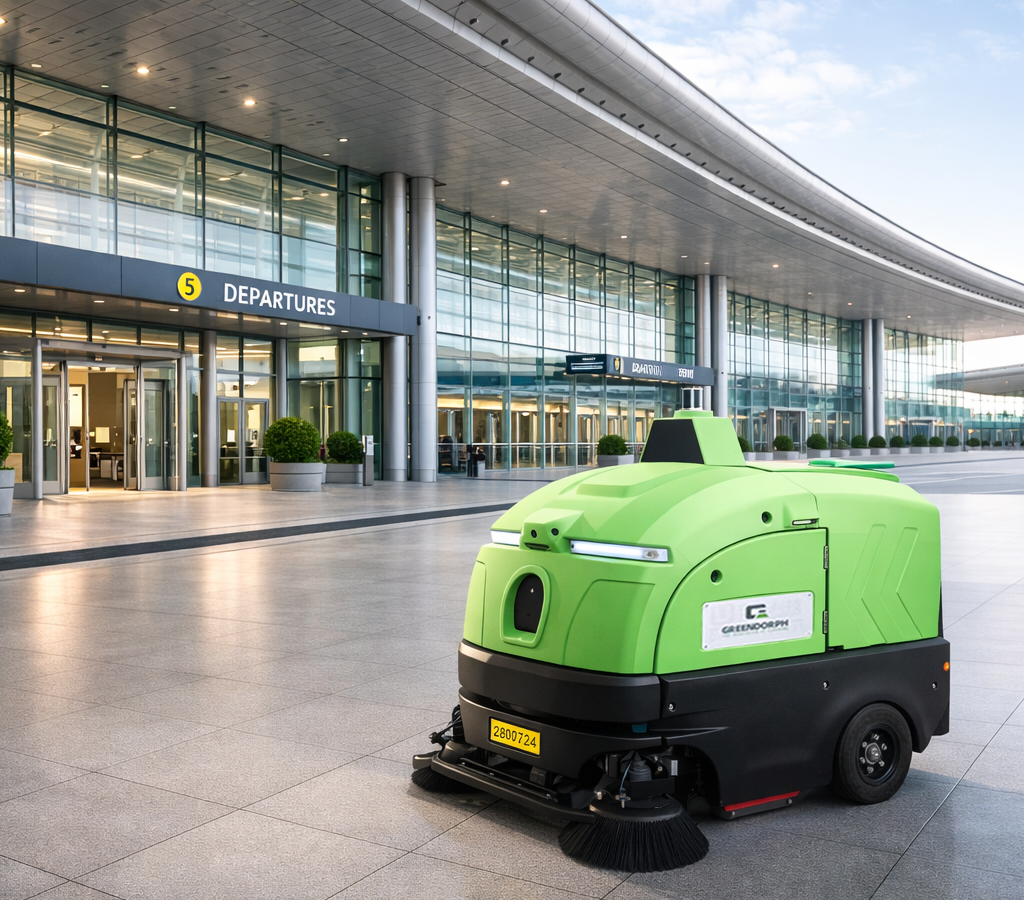
Why Traditional Methods Fall Short
In my experience, conventional street cleaning machines simply don’t cut it anymore. They tend to rely on outdated technology, which leads to ineffective debris collection. Dust and grime often linger, and let’s face it, collecting trash is an entirely different beast than cleaning finely layered dust from street surfaces. Many of the street vacuum cleaners available today boast features like powerful suction and real-time monitoring, but too few offer the adaptability needed for complex urban environments—hey, not every dirty corner is the same! As I’ve learned from firsthand observations on city streets, this is where innovation becomes crucial.
Are We Ready for Smart Solutions?
The shift towards smart technology in street cleaning is not just beneficial; it’s necessary. The latest street vacuum cleaner models are equipped with sensors that detect varying levels of dirt and adapt their cleaning strategies in real-time. This is a game-changer. When I visited downtown Chicago last summer, I noticed how some street cleaners struggled to adapt to the diverse litter patterns, resulting in inefficient cleaning runs. Smart machines could vastly improve their performance.

Future Trends in Street Vacuum Technology
Looking ahead, I envision a world where street cleaning becomes fully automated and data-driven. The integration of IoT (Internet of Things) could provide actionable insights for waste management services, streamlining operations while reducing costs. Let’s not forget that sustainable materials are rising in popularity; for instance, street vacuums could soon feature eco-friendly components that set new industry standards. The prospect of combining sustainability with technology is exciting, and I can’t help but feel optimistic. The main question remains—how quickly can we adopt these innovations in our cities?
What’s Next for Urban Cleanliness?
As we stand on the brink of this evolution in urban sanitation, we must be critical of what works and what doesn’t. My years in the industry have taught me that choosing the right street vacuum cleaner requires consideration of metrics like efficiency, adaptability, and environmental impact. Focusing solely on the initial purchase price can lead to poor long-term investments. Investing in a quality product now, like the advanced models emerging on the market, could lead to significant savings down the line—after all, who doesn’t want cleaner streets with less effort?
Final Thoughts
The path toward clean urban spaces is clear, and it starts with embracing the future of street vacuum technology. As cities look to enhance cleanliness without overspending, innovative solutions will become essential. I firmly believe the time for change is now; by adopting smarter street cleaning technologies, we can see a vast improvement in urban quality of life. Remember, a cleaner street isn’t just good for aesthetics— it promotes wellbeing! If you’re looking to invest in the future of urban cleanliness, take a closer look at options from Greendorph. They represent a forward-thinking approach to street maintenance that can transform our cities for the better.