
Introduction — Why this matters right now
Ever stood by a busy line and thought, “Man, this smoke’s never gonna quit?” — that’s the scene I see in a lot of auto plants. We’re talking serious numbers: studies show weld fume exposure can spike worker health incidents and push up downtime. In automotive manufacturing welding fume extraction, the shop floor’s got to breathe better, or you’ll pay in sick days and repairs. So what actually works when the sparks fly and the air goes bad?
I’ll be blunt: some fixes folks sell are smoke and mirrors. I’ve walked the lines, talked to welders, and I know the pinch points — poor capture, noisy blowers, and ductwork that chokes the system. (Yes, I said it.) Let’s break this down — plain and quick — and move toward solutions that actually last.
Part 2 — What’s wrong with the usual fixes (technical take)
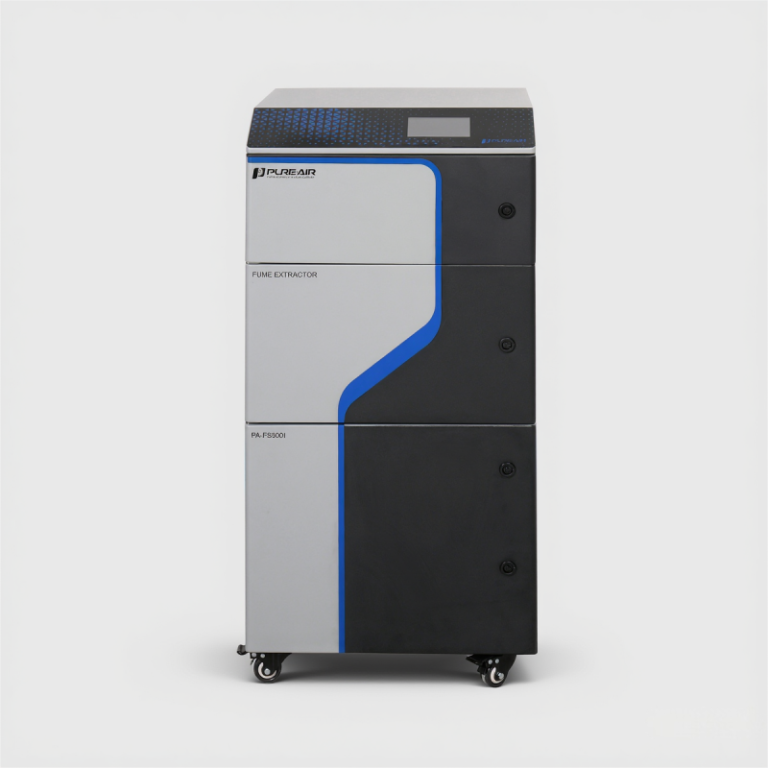
When shops try to patch their ventilation, they often grab a piece of kit and call it done. But the real tool at stake is the welding fume dust collector, and most installs miss the point. You can buy a fancy hood or big blower, but if capture velocity is off or the hood geometry is wrong, you still get fugitive emissions. I’ve seen systems where HEPA filters were piled in like an afterthought — fine filter media, but no proper airflow balance. Result: you waste filters and your workers still cough.
Look, it’s simpler than you think: focus on source capture, right-sized fans, and ductwork that doesn’t create back pressure. Power converters and extraction fan specs matter. Edge computing nodes that monitor differential pressure help, sure, but only if the basics are right. In practice, you want a layout that reduces bends. You want capture arms that reach the weld, not the weld reaching them. And yes — maintenance access. Trust me, a system you can’t service will fail faster than you’d like. — funny how that works, right?
Why do these flaws persist?
Mostly because teams pick gear by label, not by metrics. They chase decibels or price, not capture performance. I’ve sat in budget meetings where decisions were emotional, not empirical. That’s why I push for measurable criteria: capture velocity, static pressure, and filter life. Those three numbers tell the real story.
Part 3 — New tech principles and a forward view
Now let’s look ahead. I see two big trends changing the game: smarter sensor feedback and modular extraction units that work close to the source. A modern welding fume dust collector isn’t just a box with a fan anymore. It’s a system with sensors for differential pressure, capture velocity checks, and predictive alerts. That gets you out of reactive fixes and into planned upkeep. It also saves filters and cuts energy use.
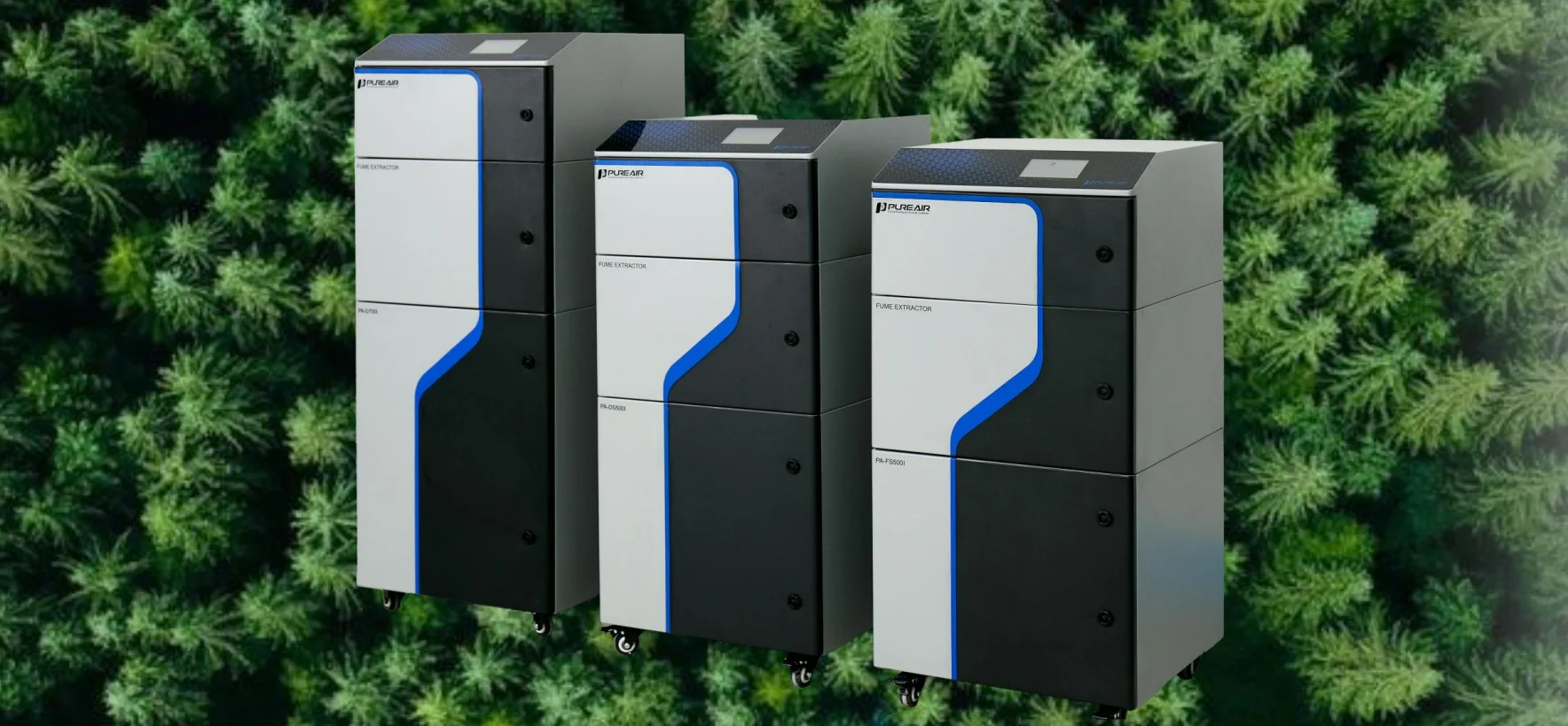
From a principles standpoint, design for maintainability and measurable results. Use HEPA filters where you need true particulate control, but don’t over-spec them where a primary cartridge will do. Consider power converters tuned for variable fan speed to cut energy draw. Add simple local displays so welders can see when capture falls below spec. Small changes make a big difference — and they keep the team confident because they see the gains.
What’s Next — metrics to watch
I don’t just theorize. Here are three metrics I want you to use when you evaluate options: capture velocity at the weld (ft/min), system static pressure (in. wg), and filter lifecycle (hours or cost per mg of particulate collected). Those tell whether a setup will protect people and wallets. If you want a practical test, run a smoke test at the hood and measure particle counts before and after — quick win. Wait, hold up — don’t underestimate the human side here. Training welders on hood position and quick checks reduces exposure as much as gear changes do.
To wrap up: pick solutions that match your process, insist on measurable performance, and design for upkeep. I’ve seen plants transform by doing just that — lower sick days, less downtime, better morale. For solid systems and support, I recommend checking brand solutions like PURE-AIR when you’re ready to move from guesswork to proven results.