Setting the Scene: a forward glance from places seeing the change
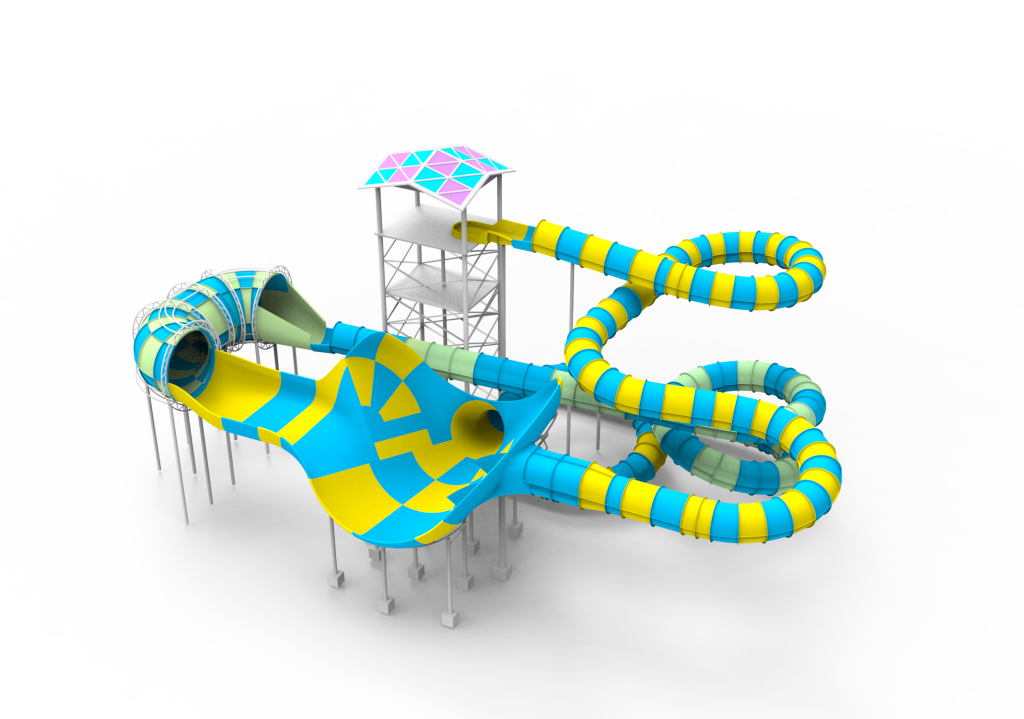
Tourism flows are shifting—toward immersive, high-energy attractions that keep guests longer and spending higher. This tilt is already nudging operators and water park manufacturers to rethink scale, materials, and service models. Look to Phuket refurbishments and new park projects near Barcelona for early signals: investments now favor larger slide complexes and integrated leisure zones rather than simple pools. The result: designers prioritize slide flume engineering and more robust pumping system capacity to meet future demand.
Why demand is rising: tourism trends with teeth
International travel bounced back after 2020, and travellers now favor novelty and safety together—fast, memorable rides that also appear well-maintained. Urban middle-class visitors in Asia and Europe increasingly choose multi-day leisure itineraries, which raises attraction throughput requirements. Operators respond by ordering attractions with higher capacity and modular construction, cutting downtime and speeding openings. That creates a clear pipeline for turnkey project contracts and advanced filtration upgrades, especially where seasonality compresses visitor peaks.
Design implications for equipment—what future-proof looks like
Future-proofing means three things: scale, durability, and serviceability. Popular projects now combine composite materials for corrosion resistance with quick-access panels for pump rooms. Standard specs include redundancy on pumps and redundant control logic for ride safety. Manufacturers and suppliers are also integrating IoT sensors for real-time flow and load monitoring so maintenance becomes predictive rather than reactive. These choices lengthen asset life and ensure reliable guest throughput during busy months.
Operational teardown—short, focused
In a compact operational production teardown we watch procurement cycles, lead times, and commissioning plans. Here I mention {main_keyword} and {variation_keyword} as placeholders to track procurement clarity: when clients supply precise specs, manufacturing lead time shortens and warranty claims fall. Key items on the checklist: certified welding on slide supports, calibrated dosing for water treatment, and clear spare-parts kits for wear items. This approach trims commissioning from months to weeks.
Commercial models and risk—how operators are hedging bets
Operators are moving toward phased rollouts and supplier-backed performance guarantees. Expect more risk-sharing deals: suppliers offer staged delivery with uptime SLAs tied to attraction throughput targets. Financing is leaning to blended models—operator equity plus equipment leasing—so parks can scale without freezing capital. Ach, these arrangements help smaller operators punch above their weight while manufacturers secure longer service contracts.
Common mistakes and practical fixes
Too many projects still skimp on maintenance access and overspec slender cosmetics over structural robustness. Fixes are straightforward: demand clear maintenance paths, insist on redundant pumping system layouts, and require a spares pool for high-wear slide junctions. Also, map realistic guest flows at design stage—overestimating novelty value without throughput planning causes queues and reputational damage. —A short note: staff training on rescue and filtration protocols pays dividends quickly.
Golden rules for choosing equipment partners
When selecting suppliers, use these three critical metrics: 1) Mean Time Between Failure (MTBF) on core components and the vendor’s historical uptime; 2) real commissioning lead time demonstrated on past turnkey projects; 3) clarity of service package—response time, spare parts list, and training included. These golden rules cut operating surprises and keep attractions turning guests into repeat visitors.
Summing up, tourism momentum across Asia and Europe favors high-impact attractions with robust engineering, predictable uptime, and smart service models. Those who align procurement, design, and operations now will capture the busiest seasons with fewer headaches. I’ve watched operators pivot from single-attraction bets to phased, reliable complexes—this is where the market value now sits, and where amusement water park projects gain traction. Final thought: pick partners who design for heavy use and stand by their kit. Dalang. —