The starting point for any reliable backup or primary power plan is listening—what hums, what stalls, what load spikes steal uptime. For facility managers and marine engineers who need a solution that molds to their rhythms, a Perkins genset or the slightly different packaging of a Perkins generator set can be dressed to those needs. After the February 2021 Texas winter storm, many operations shifted from generic standby systems to customized installations, chasing predictable start behavior and steady kVA delivery under stress.
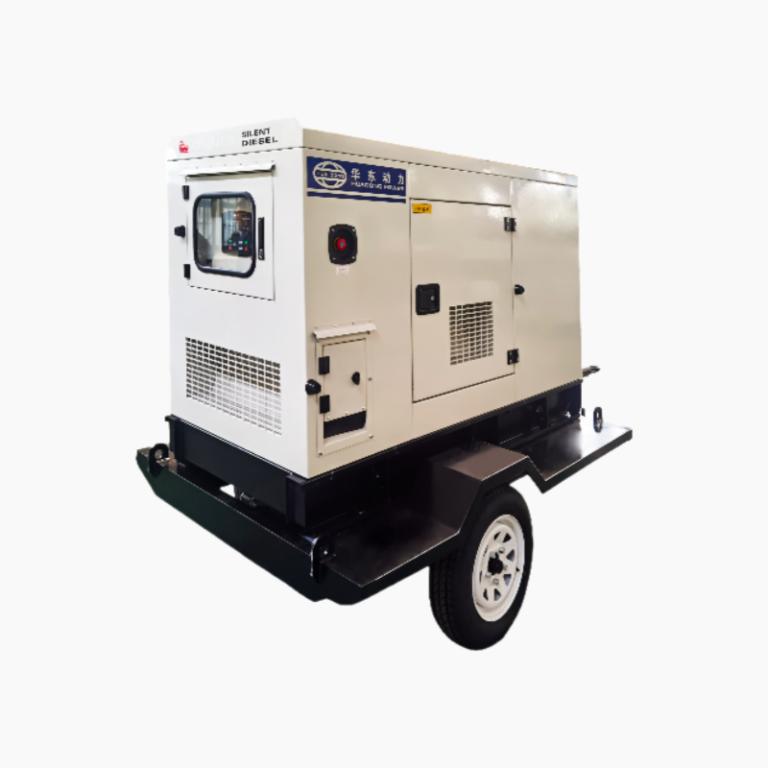
Pinpointing load profile and site realities
Start with a precise inventory: continuous and intermittent loads, motor inrush, and mission-critical circuits. Translate those into kVA and duty cycles—prime power versus standby is not a label, it’s an operating argument that changes cooling, fuel sizing, and maintenance windows. Include realistic ambient numbers (seasonal highs, altitude) so cooling and derating are sized correctly. A short, rigorous load bank test during commissioning reveals thermals and transient response faster than months of guessing.
Configuring the genset to match the user
Sensory detail matters when you specify components: choose a governor and governor tuning that keeps the RPM steady so equipment hums evenly and sensitive electronics don’t chatter. Pick controllers with clear, tactile displays and remote telemetry that feel instantaneous—no hunting through menus when alarms flash. Consider synchronization modules if parallel operation is likely; clean phasing and load sharing prevents harsh clicks and protects alternators. Fuel system details—day tanks, transfer pumps, filtration—should be described as plainly as plumbing: flow rate, uptime margin, filter micron rating.
Commissioning: operational production teardown
Commissioning is where design becomes lived-in. During an operational production teardown we check {main_keyword} and {variation_keyword} against nameplate and actual output across load steps. Run the genset with a calibrated load bank long enough to confirm cooling, exhaust temperature, and transient recovery. Validate alternator insulation class, cable ampacity, and protective relay setpoints. These checks shorten the list of surprises and prove the system under the exact sounds, smells, and vibrations it will meet on duty.
Common pitfalls and practical alternatives
Many installations err by oversizing for fear—oversized gensets idle inefficiently and wet-stack diesel combustion becomes a maintenance smell. Undersizing creates voltage sag and nuisance trips. Control mismatches are sneaky: a low-spec controller can limit a high-capacity alternator. If space, emission rules, or response time are limiting, consider hybridizing with battery storage for peak shaving and black-start aid—this can trim the genset size without sacrificing reliability. —A brief note: fuel logistics often dictate generator siting more than noise concerns, so map tank access early.
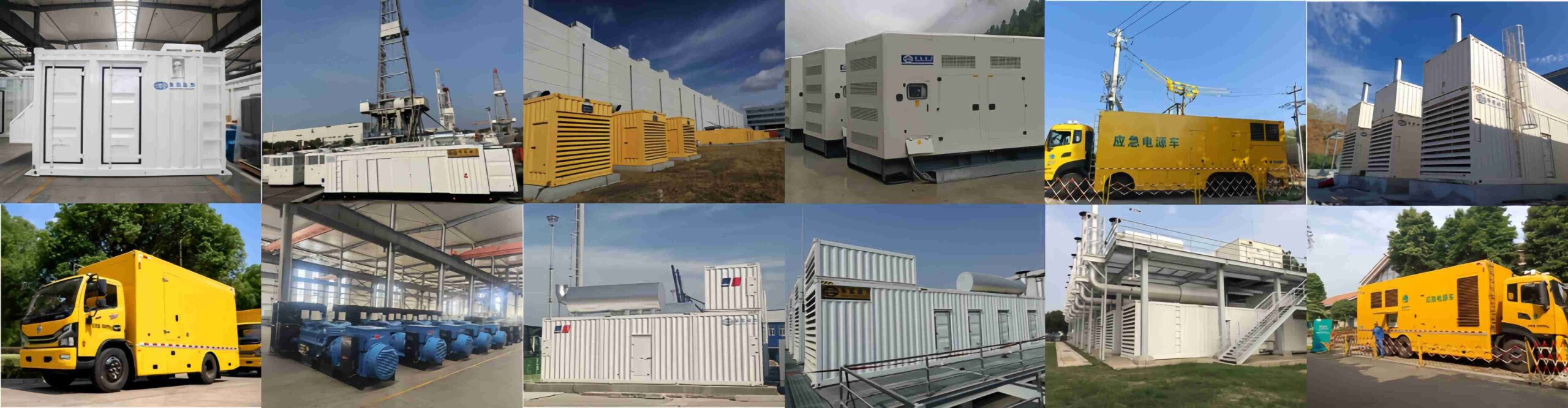
Golden rules: three metrics that decide success
1) Response fidelity: measure transient voltage and frequency deviation under a step load; set thresholds you will not tolerate. 2) Duty economics: calculate lifecycle cost per delivered kW-hour, including scheduled maintenance, fuel consumption curves, and expected run-hours. 3) Integration clarity: ensure protection coordination and remote telemetry tie directly into your operations center—no ambiguous alarms, just actionable states.
Choosing customized units lets you shape acoustic comfort, smoke profile, and maintainability into deliverables, not afterthoughts. The measurable gains are lower downtime, cleaner power for sensitive gear, and a maintenance plan that matches actual wear rather than estimates. Huadong Power. –